Rome was Caput Mundi two thousand years ago. If we accept, even for a moment, the idea that wine is an anthropological tool—a key to reading humanity and its era: its fears, ambitions, and a civilization's desire for legacy—then we can say that Rome was also Caput Vini: a wine capital of the known world.
For the Romans, wine was not merely pleasure or ritual: it was a message, even a political one. As the Empire advanced, building roads, bridges, and cities, it left behind a concrete sign of the future. Planting a vineyard was like signing a pact: "we are staying," "we are investing," "we have the patience to wait together."
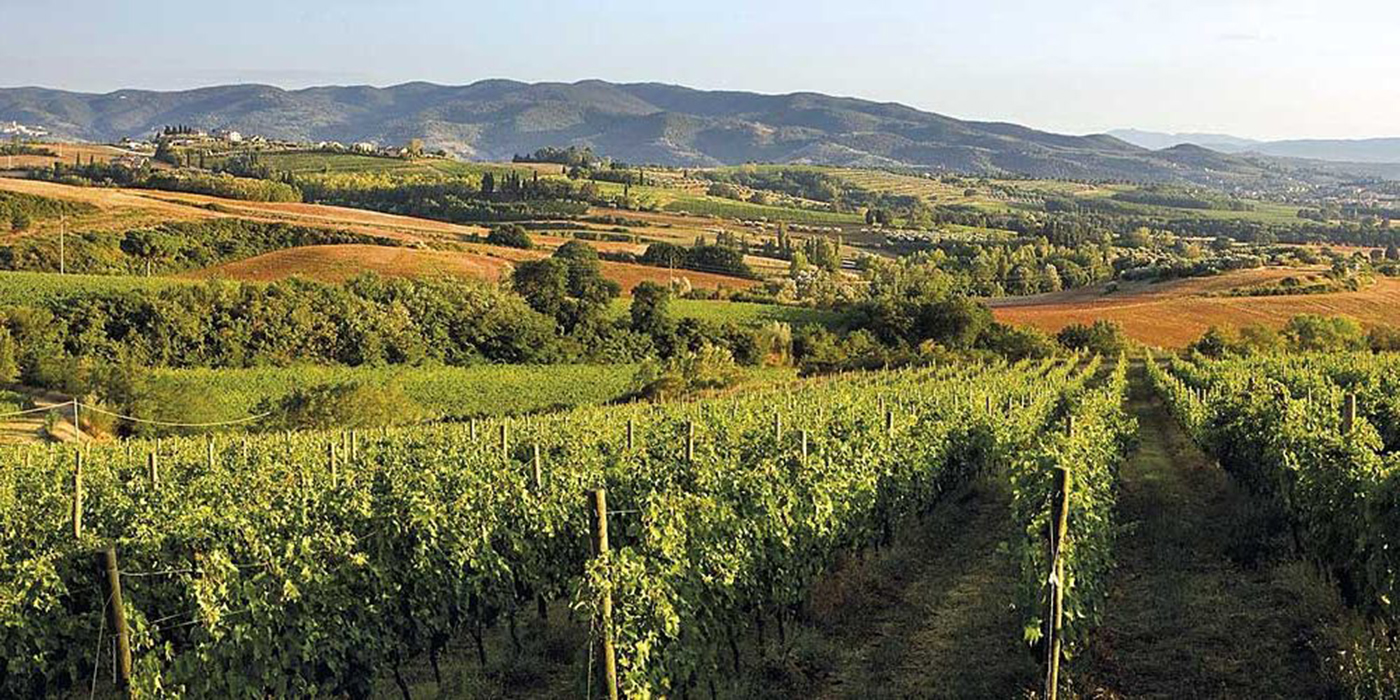
Planting a vineyard back then meant waiting three or four years for the first fruit, and another year or two to see the first wine born: no technology, no shortcuts, with time as the only ally. Within this landscape, Lazio guards an ancient and fascinating variety that has long been misunderstood: Cesanese.
And here begins the part that resembles the "ugly duckling" fable: a grape with an evocative name, surrounded by legend, as if the name itself held a memory, as if its destiny were written in a human gesture.
For the Romans, wine was not merely pleasure or ritual: it was a message, even a political one. As the Empire advanced, building roads, bridges, and cities, it left behind a concrete sign of the future. Planting a vineyard was like signing a pact: "we are staying," "we are investing," "we have the patience to wait together."
Planting a vineyard back then meant waiting three or four years for the first fruit, and another year or two to see the first wine born: no technology, no shortcuts, with time as the only ally. Within this landscape, Lazio guards an ancient and fascinating variety that has long been misunderstood: Cesanese.
And here begins the part that resembles the "ugly duckling" fable: a grape with an evocative name, surrounded by legend, as if the name itself held a memory, as if its destiny were written in a human gesture.
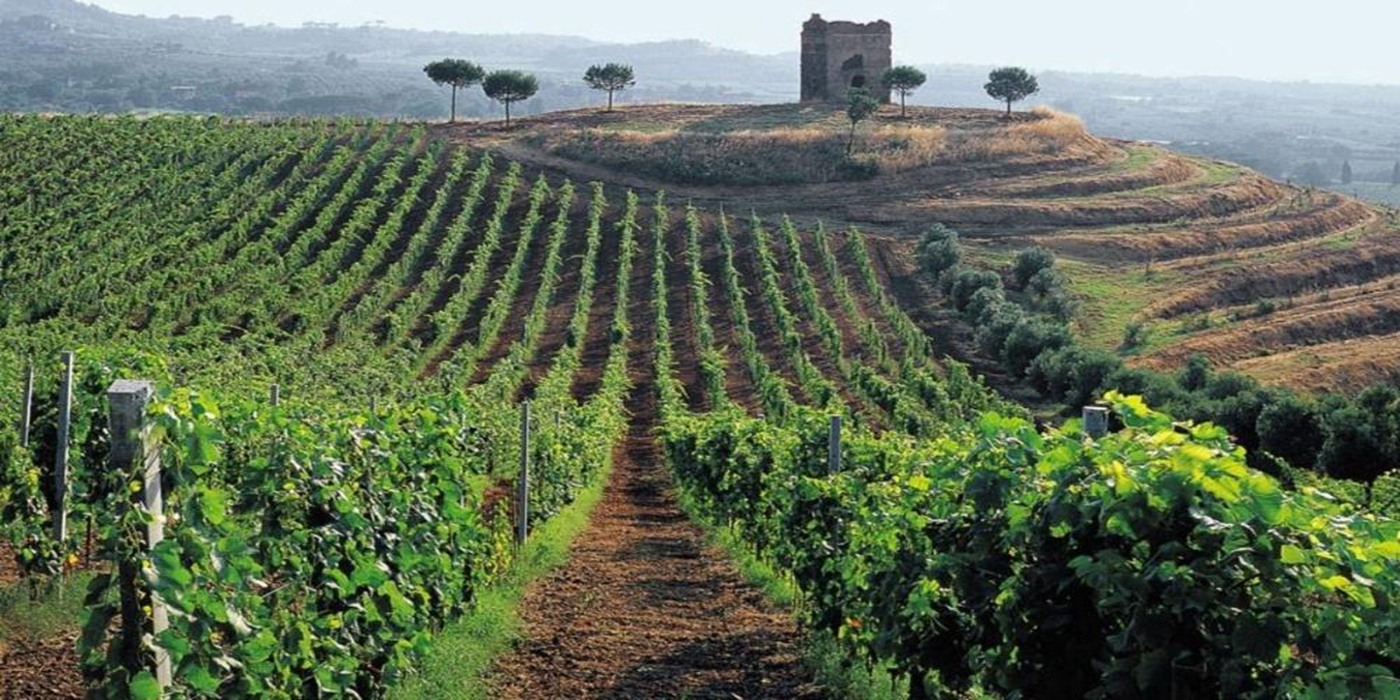
It is said that "Cesanese" recalls the word cesoia (shears), because the Romans used to create bright clearings in the woods by cutting down trees, using the fallen wood to build fences to protect young vines from animals: light and defense, space and care, already present in that primitive act.
Yet, for centuries, this grape was not truly understood. Vinified rudely, without precision or "listening," it ended up losing its balance and was often "corrected" by blending it with warmer, more alcoholic, more colorful, and more muscular grapes from the South. This was also because, in the Roman culture of the time, wine was considered a true fuel: it served to sustain and "digest" the large quantities of meat consumed—a symbol of strength for those working the fields or seeking performance and vigor.
Ultimately, something of this idea has remained in Roman gastronomy: intense, generous dishes that demand body and substance—abbacchio (lamb), amatriciana, cacio e pepe. It is a cuisine that requires structure and "shoulders," and for a long time, it did not leave Cesanese the room to tell its more refined story.
Yet, for centuries, this grape was not truly understood. Vinified rudely, without precision or "listening," it ended up losing its balance and was often "corrected" by blending it with warmer, more alcoholic, more colorful, and more muscular grapes from the South. This was also because, in the Roman culture of the time, wine was considered a true fuel: it served to sustain and "digest" the large quantities of meat consumed—a symbol of strength for those working the fields or seeking performance and vigor.
Ultimately, something of this idea has remained in Roman gastronomy: intense, generous dishes that demand body and substance—abbacchio (lamb), amatriciana, cacio e pepe. It is a cuisine that requires structure and "shoulders," and for a long time, it did not leave Cesanese the room to tell its more refined story.
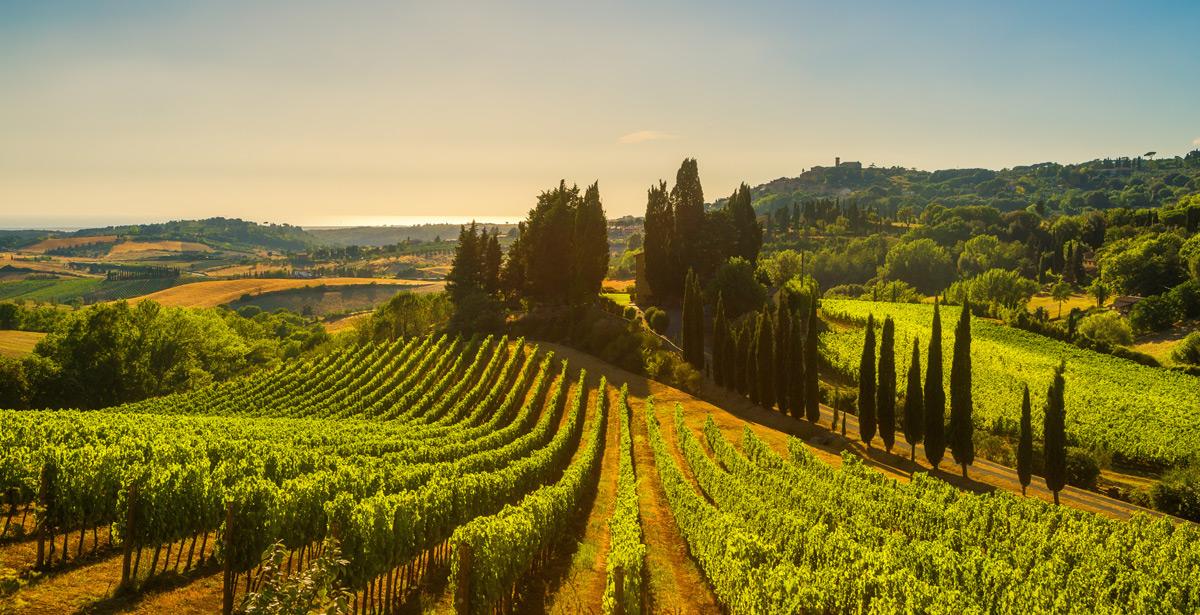
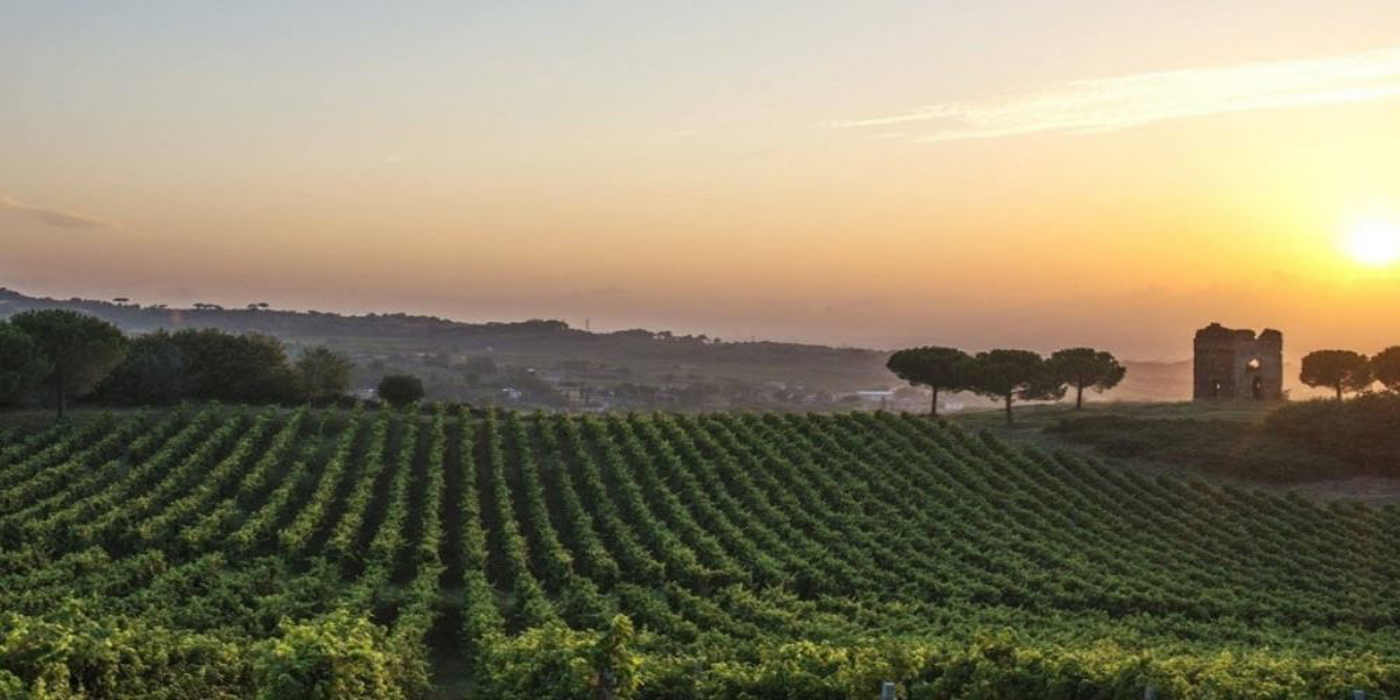
In 2003, thanks to the Città del Vino (Wine Cities)—an organization for which I had the honor of serving as Ambassador—I had the opportunity to conduct a research project in the municipality of Olevano Romano. There, where some wineries still cultivated Cesanese almost as a "second wine"—more correct than memorable—I was able to carry out micro-vinifications in four different areas, resulting in two distinct expressions: Affile and Piglio. It was like brushing the dust off a living artifact only to discover a modern form underneath.
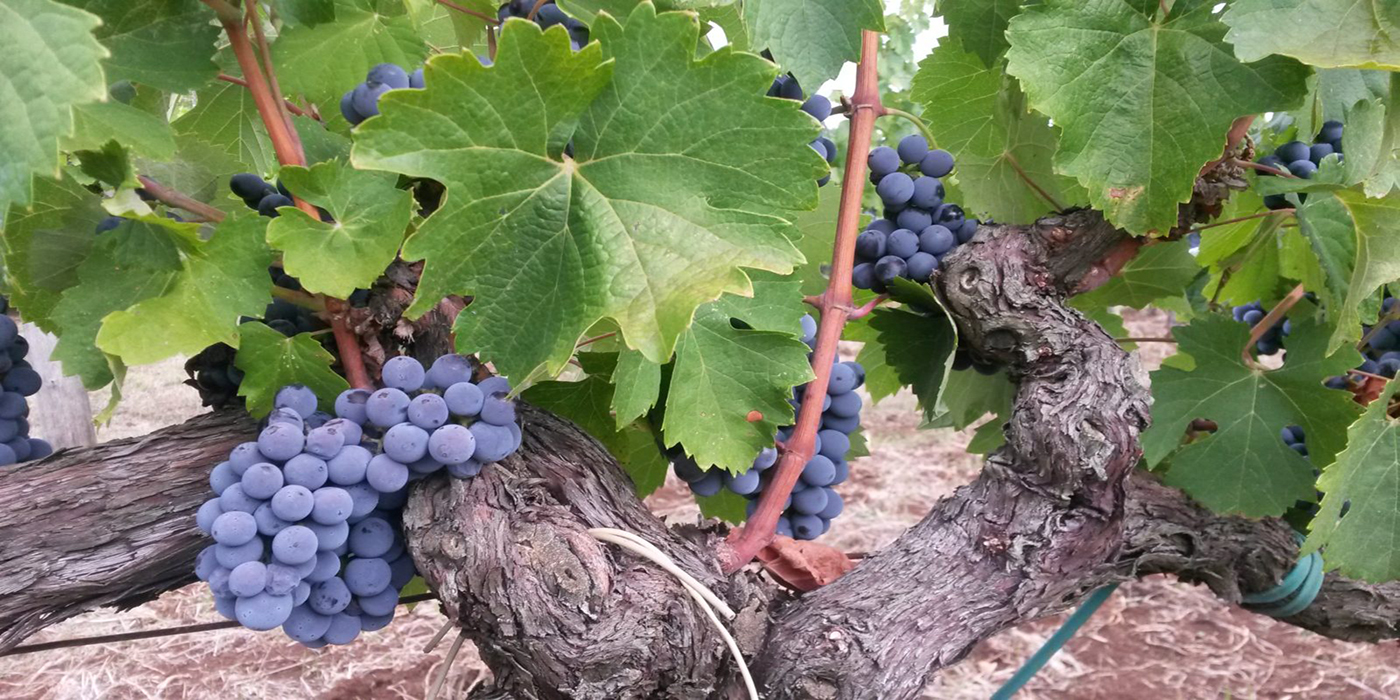
I began to see Cesanese for what it can truly be: a red of Mediterranean elegance, surprisingly close—in grace and transparency—to a Pinot Noir, but with its own language. It speaks not only of fruit but of floral and spicy notes, of nuances that do not shout and, for that very reason, linger. From there came the intuition: to vinify it with the same respect accorded to a great red Burgundy, caressing the skins, avoiding violent extractions, and seeking light instead of brute force.
When this happens, Cesanese can offer a rare quality: a lightness that is not thinness, a finesse that is not fragility—elegance as the result of precision and measure. The resulting wine is surprising: refined, deep, and, above all, long-lived.
I began to see Cesanese for what it can truly be: a red of Mediterranean elegance, surprisingly close—in grace and transparency—to a Pinot Noir, but with its own language. It speaks not only of fruit but of floral and spicy notes, of nuances that do not shout and, for that very reason, linger. From there came the intuition: to vinify it with the same respect accorded to a great red Burgundy, caressing the skins, avoiding violent extractions, and seeking light instead of brute force.
When this happens, Cesanese can offer a rare quality: a lightness that is not thinness, a finesse that is not fragility—elegance as the result of precision and measure. The resulting wine is surprising: refined, deep, and, above all, long-lived.
I think of a 2005: over twenty years on its shoulders and still showing encouraging signs of life, energy, and tension—a promise of durability that defies the cliché of "simple" wine. This rediscovery has ignited a movement over the years: if in 2005 there were only a few dozen dedicated wineries, today those working seriously with Cesanese have increased significantly and continue to grow.
This is where "Eureka" finds its meaning: not as a stroke of luck, but as the joy of finally recognizing an identity that remained in the shadows for too long. In this glass, Lazio speaks once again with an ancient yet surprisingly contemporary voice: a bridge between the Rome of two thousand years ago and the present, where wine is not just taste, but memory, choice, and culture. It is proof that certain stories, when they find the right interpretation, do not grow old: they mature.
And precisely because this Eureka! Lazio Cesanese 2005 is a rarity—a page of time that is now unobtainable—it is not a wine for the "shelf."
This is where "Eureka" finds its meaning: not as a stroke of luck, but as the joy of finally recognizing an identity that remained in the shadows for too long. In this glass, Lazio speaks once again with an ancient yet surprisingly contemporary voice: a bridge between the Rome of two thousand years ago and the present, where wine is not just taste, but memory, choice, and culture. It is proof that certain stories, when they find the right interpretation, do not grow old: they mature.
And precisely because this Eureka! Lazio Cesanese 2005 is a rarity—a page of time that is now unobtainable—it is not a wine for the "shelf."
EUREKA WINE CLUB
This wine can only be tasted during exclusive events dedicated to the Eureka! line, reserved for members of the Wine Club: the only ones with access to the private price list. A discreet privilege designed for those who want to truly enter the heart of the Collection, where wines are not chased... they are awaited.
Discover HERE how to join the Wine Club and choose your level of access: previews, private tastings, rare bottles, and the opportunity to experience wine not as a purchase, but as a sense of belonging.
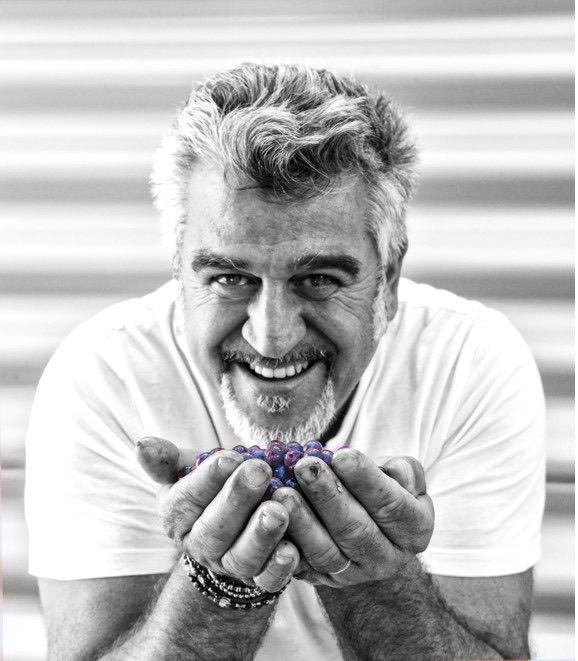
Roberto Cipresso
Wine Consultant and Author. Expert in terroir